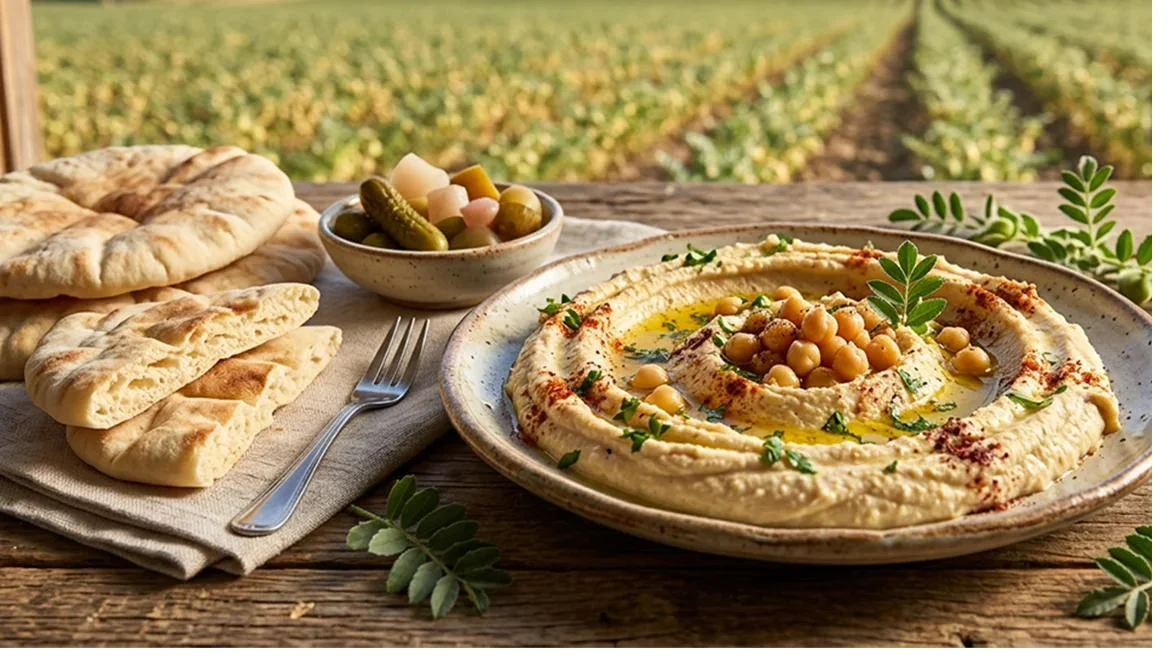
The Story
One of the most iconic dishes from Palestine, the Levant, and the Middle East in general, hummus has in recent years become popular worldwide — sold in grocery stores everywhere with flavor varieties like garlic, avocado, bell pepper, and even chocolate hummus (blasphemy!). But if you were to ask your average Lebanese, Palestinian, Jordanian, or Syrian, hummus is just plain old hummus.
Variety in traditional hummus comes down to one question: does it have garlic? Sure, you can purchase hummus at the store, but it’s not nearly as good or as cheap as homemade. And it’s too easy to make.
Seek out your local Mediterranean shop, and you’ll be pleasantly surprised — tahini sold there is a fraction of the price found in large chain stores.
There are two methods for making hummus at home: from scratch by cooking dried chickpeas, and almost-from-scratch using canned chickpeas. Cooking dried chickpeas takes longer initially — they must be soaked, then cooked — but yields a creamier, smoother end product. Canned chickpeas will have you ready to eat in minutes. Both are worth making at home, because they taste better and come without additives or preservatives.
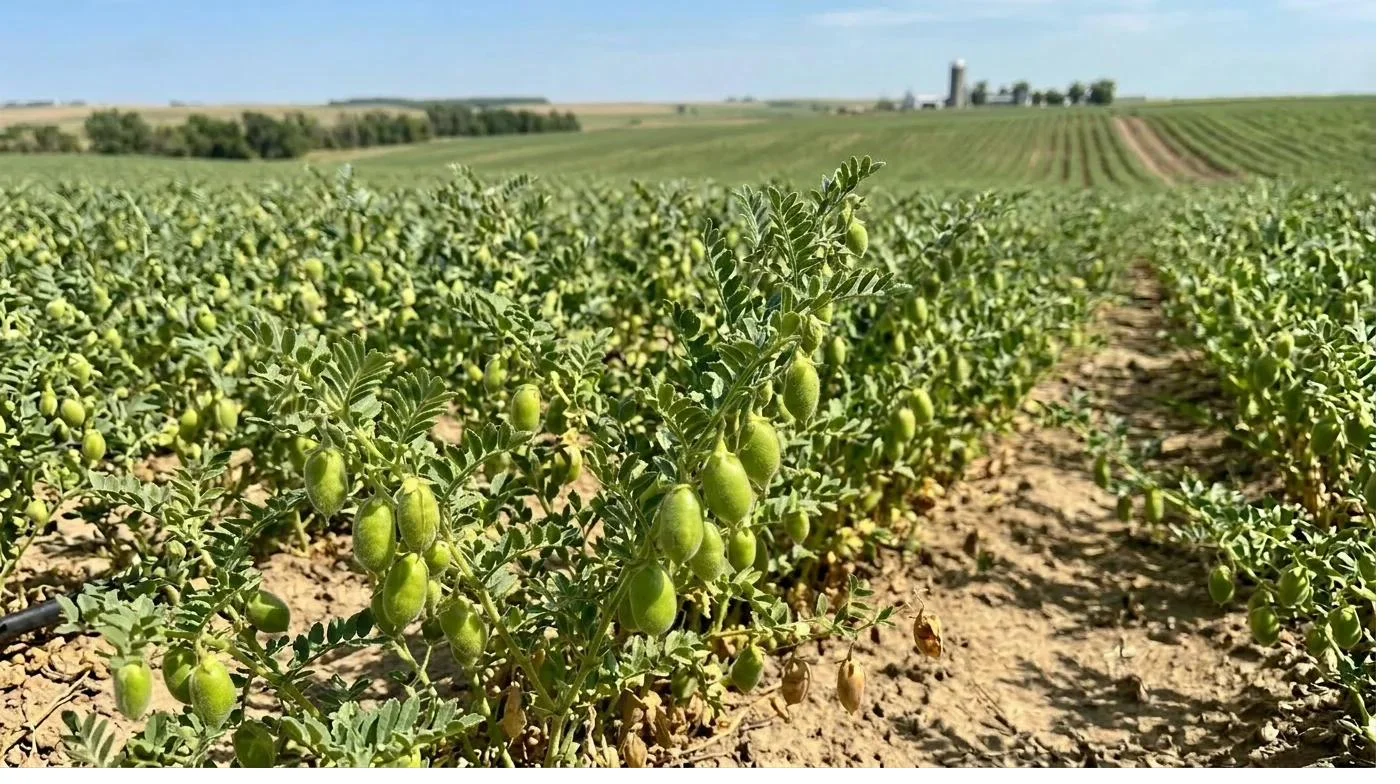
The Chickpea
Chickpeas grow in Palestine, the Levant, and all over the world. It is a tall plant with bell-shaped fruits, harvested and dried for year-round use. Beyond hummus, chickpeas are used across Palestinian cooking in falafel, stuffed vegetables, meat dishes, soups, ground into flour, and even eaten roasted as a snack.
- Hummus
- Falafel
- Stuffed Vegetables
- Sumaghiyyeh
- Roasted Snack
- Chickpea Flour
How to Make It
Soak the dried chickpeas
Place 1 cup of dried chickpeas in a large bowl and cover generously with water — they will expand up to three times their size overnight. Soak for at least 8 hours or overnight. Alternatively, use one can of already-softened chickpeas and skip to step 3.
Cook and peel
Drain and rinse the soaked chickpeas. Transfer to a large pot, cover with fresh water by a couple of inches, and bring to a boil. Reduce heat and simmer uncovered for 90 minutes to 2 hours, skimming any foam that rises. When fully tender, turn off the heat and stir in 1–2 teaspoons of baking soda. Cover and let sit for a few minutes — this loosens the skins. In batches, rub the chickpeas under cold running water until most skins slip off. Drain well in a colander.
Blend the chickpeas
Reserve a small handful of chickpeas for garnish if desired. Transfer the rest to a blender and blend until somewhere between crumbly and pasty — this is your base.
Add tahini, lemon, and seasoning
Add ⅓ cup tahini, the juice of 1 lemon, ½ teaspoon salt, ¼ teaspoon cumin, and 2–3 ice cubes. The ice cubes are the secret to an extra-smooth, airy texture. Add a clove of minced garlic if you like — some do, some don't. Blend again until silky and check consistency. Add a splash of water or a spoonful of plain yogurt to thin if needed; add a few more chickpeas if too loose. Taste and adjust salt, lemon, or tahini in small amounts.
Plate and serve
Spoon the hummus onto a plate and use the back of a spoon to create a shallow well. Drizzle generously with extra virgin olive oil — this is mandatory, not optional. Scatter the reserved chickpeas over the top and finish with a pinch of smoked paprika or sumac. Serve immediately with fresh pita or taboon bread.